
Why Timing Matters: How Circadian Health Is Reshaping Cancer Prevention, Treatment, and Recovery

Robinson, Bennett, and Sato’s 2026 review frames circadian disruption as more than “sleep being important.” Their central argument is that the circadian clock is woven into multiple cancer hallmarks, and when that timing system is disrupted (shift work, irregular sleep, jet lag, inconsistent light exposure), it can create conditions that favor tumor development and progression - especially through effects on the tumor microenvironment (TME) and immune dynamics.
The Core Concept: Cancer Progression Is Time-Dependent, Not Random
The circadian clock is an endogenous 24-hour regulatory system that synchronizes cellular and systemic physiology with the environmental light–dark cycle. It governs sleep - wake behavior, hormonal secretion, metabolic flux, DNA repair, immune surveillance, and cell-cycle regulation.
Robinson et al. (2026) emphasize that disruption of circadian organization leads to multi-system dysregulation, creating biological conditions that increase cancer susceptibility and may facilitate tumor progression. Importantly, they also position the circadian system as a modifiable therapeutic variable, underpinning the emerging field of chronotherapy, in which treatment efficacy and toxicity may vary according to biological timing.
Circadian Disruption as a Hallmark Amplifier in Cancer Biology
Robinson et al. conceptualize circadian disruption not as an isolated risk factor, but as a systems-level modifier that amplifies established cancer hallmarks, with particular emphasis on effects within the tumor microenvironment (TME). This framework reframes circadian dysregulation as a contextual driver that can intensify oncogenic processes rather than initiate them independently.
1) The tumor microenvironment is temporally regulated
The tumor microenvironment - comprising immune cells, stromal cells, vasculature, extracellular matrix components, and soluble signaling mediators - is dynamically regulated across the circadian cycle rather than biologically static. Robinson et al. describe how circadian clocks influence immune cell trafficking, cytokine release, angiogenic signaling, and inflammatory tone within the TME, thereby shaping tumor progression and immune surveillance.
Disruption of circadian organization alters the temporal coordination of these processes, potentially favoring immune evasion, pro-tumor inflammatory signaling, and reduced antitumor control. In this context, circadian dysregulation does not simply affect host physiology in parallel with cancer; it actively reshapes the ecological and signaling landscape in which tumors develop and persist.
2) Immune function exhibits diurnal variability
Both innate and adaptive immune processes demonstrate predictable circadian oscillations across a 24-hour period. When circadian regulation is fragmented or desynchronized, immune responses may become temporally misaligned, resulting in reduced surveillance efficiency or maladaptive inflammatory signaling patterns.
Clinically, this suggests that circadian disruption compromises immune effectiveness not by eliminating immune capacity, but by uncoupling immune activity from its optimal temporal alignment. This desynchronization may create biologically permissive windows during which tumors can evade immune detection or exploit dysregulated inflammatory pathways.
3) Metabolic dysregulation as a permissive oncogenic environment
Metabolic regulation is tightly controlled by central and peripheral circadian clocks. Robinson et al. identify circadian disruption as a contributor to impaired glucose homeostasis, altered lipid metabolism, mitochondrial dysfunction, and chronic low-grade inflammation. Collectively, these changes can generate a systemic environment that supports tumor growth and adaptation.
Importantly, the authors explicitly link common lifestyle disruptors - including shift work, irregular sleep patterns, and chronic jet lag - to these metabolic disturbances. From an oncologic perspective, metabolic instability is not a neutral byproduct of modern living but a condition that tumors can exploit to enhance survival and progression.
4) Chronotherapy: biological timing as a modifiable treatment variable
A central translational contribution of the paper is its framing of chronotherapy as a biologically grounded strategy rather than a conceptual or theoretical approach. Robinson et al. highlight evidence that treatment efficacy, toxicity profiles, and immune responsiveness may vary according to circadian phase, with emerging relevance for immunotherapy and combination treatments.
This perspective aligns with a broader shift toward time-informed oncology, acknowledging that tumor biology, immune function, DNA repair capacity, and drug metabolism fluctuate across the circadian cycle rather than remaining constant throughout the day.
If drug targets, immune cell trafficking, DNA repair mechanisms, inflammatory signaling, and tumor susceptibility vary across circadian phases, then treatment timing has the potential to meaningfully alter the therapeutic index, enhancing efficacy while reducing toxicity in specific clinical contexts.

5) Implications for exercise, nutrition, and lifestyle interventions
Robinson et al. identify real-world circadian disruptors - including shift work, irregular sleep schedules, and transmeridian travel - and emphasize the importance of circadian-informed lifestyle strategies as part of cancer prevention, treatment support, and survivorship care.
A) Light exposure as the primary circadian synchronizer
Light exposure is the dominant environmental signal regulating central circadian timing. Morning light exposure and consistent wake times support circadian alignment, whereas late-evening light exposure, particularly high-intensity or blue-enriched light, can delay melatonin secretion and shift circadian phase.
Applied principles include prioritizing early-day outdoor light exposure, reducing evening light intensity, and minimizing late-night screen exposure when sleep is fragile or disrupted.
B) Exercise as a secondary circadian cue
Physical activity acts as a secondary circadian cue. Although optimal timing varies among individuals, daytime exercise is generally more compatible with circadian stability and sleep quality. Highly intense exercise late in the evening may delay sleep onset in some individuals.
In oncology populations, exercise timing must remain subordinate to clinical realities such as fatigue, neuropathy, anemia, pain, and medication schedules, rather than rigid circadian optimization goals.
C) Meal timing and peripheral clock stability
Peripheral circadian clocks in metabolic tissues such as the liver, skeletal muscle, and gastrointestinal tract are particularly sensitive to feeding patterns. Irregular eating schedules can desynchronize these clocks, while consistent meal timing supports metabolic rhythmicity.
Clinical translation includes encouraging consistency in first and last daily meals when feasible, while maintaining flexibility in the presence of reflux, nausea, cachexia risk, or steroid-related appetite changes.
D) Shift work: a harm-reduction framework
For individuals unable to maintain conventional sleep-wake schedules, circadian care should emphasize stability rather than idealized sleep patterns.
Key strategies include preserving a consistent sleep block, strategically manipulating light exposure to reinforce the active phase, aligning meal timing with the waking period, and using exercise strategically to support alertness and circadian consolidation.
6) Clinical and professional implications
Robinson et al. elevate circadian regulation to a legitimate and actionable oncologic variable rather than a peripheral lifestyle consideration.
Practical applications include routinely screening for circadian disruption such as shift work, insomnia, irregular sleep - wake patterns, and frequent travel; integrating circadian stabilization strategies alongside exercise and nutrition interventions; and, when appropriate, engaging oncology teams in discussions regarding treatment timing, particularly in clinical or research settings exploring chronotherapy - informed protocols.
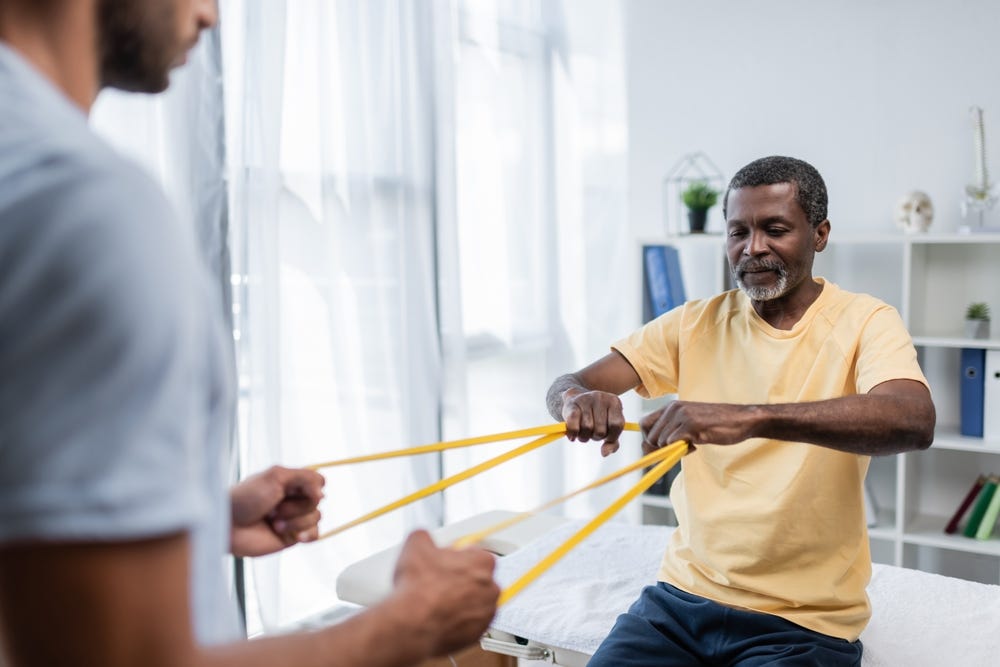
A Cancer Exercise Training Institute OncoVie™ Cancer Exercise Specialist can incorporate circadian science into cancer coaching by intentionally integrating biological timing into assessment, program design, and ongoing client education. This begins with a structured intake that screens for circadian stressors such as shift work, irregular sleep–wake patterns, steroid use, treatment-related insomnia, fatigue cycles, and frequent travel. Rather than viewing sleep and timing as secondary lifestyle issues, the specialist treats circadian stability as a foundational support for exercise tolerance, recovery, immune function, and symptom management.
In practice, this means aligning exercise intensity, complexity, and volume with the client’s most reliable energy and cognitive windows, often scheduling higher-demand strength or coordination work earlier in the day when neuromuscular performance and alertness are more stable, while reserving lower-intensity aerobic, mobility, or restorative work for periods of reduced capacity. The specialist may also coach clients on using light exposure strategically to reinforce daytime alertness and nighttime recovery, encourage consistent movement and meal timing to support metabolic regulation, and adjust expectations during treatment phases that inherently disrupt circadian rhythms, such as chemotherapy cycles or corticosteroid use.
Importantly, the CETI OncoVie™ Cancer Exercise Specialist applies a harm-reduction, physiology-driven model rather than rigid optimization. For clients who cannot maintain conventional schedules, such as shift workers or those with severe sleep disruption, coaching focuses on minimizing circadian chaos through consistency, predictability, and flexible programming. By integrating circadian principles into exercise coaching, education, and behavior change strategies, the specialist enhances adherence, supports recovery capacity, and aligns movement-based interventions with emerging evidence on circadian regulation in cancer care, all while remaining complementary to oncology treatment plans.
References:
- Robinson, A. S., Bennett, S., & Sato, S. (2026). When Clocks Go Rogue: Circadian Rhythms and the Rise of Cancer. Journal of Biological Rhythms, 07487304251391270.