
Exercise Dosing in 2026: Optimizing Adaptation While Preserving Recovery

Exercise Dosing in 2026: Optimizing Adaptation While Preserving Recovery
I still vividly remember my first health club job in 1984 at Holiday Spa Club in Rockville, Maryland. I showed up in a metallic blue leotard and tights, white leg warmers, a white headband, and K-Swiss sneakers. Duran Duran blasted through the speakers while chrome accents and pink neon lights bounced off the mirrors. It was loud, electric, and unapologetically 80s - and it felt like the very center of the fitness universe. In the 1990s, I learned from the icons - watching Kathy Smith, Jane Fonda, Billy Blanks, and other fitness legends on a 200 lb. 36-inch TV that felt cutting-edge at the time. In the 2000s, I taught kickboxing, drilling the same patterns again and again until my joints paid the price.

Then came the last decade, when fitness culture doubled down on the belief that effectiveness had to look extreme. High-intensity interval training became the default prescription - stacked circuits, minimal rest, repeated metabolic stress - regardless of age, recovery capacity, or training history. CrossFit culture amplified this further, normalizing high-skill, high-impact work performed with speed. I found myself trying to “keep up” with 20-year-olds - pushing through double unders, repeating high-rep Olympic lifts, chasing intensity instead of adaptation - until there were days I could barely walk. Success was measured by how depleted someone looked at the end of a session. Volume and intensity were layered simultaneously, often with little attention to tissue tolerance, movement variability, or cumulative joint load.
In 2026, that model is being systematically dismantled.
The dominant fitness trend is not a new modality, box gym, device, or coaching platform. It is a dose-response recalibration of exercise itself that is grounded in physiology, recovery science, and healthspan research.
Exercise is now prescribed for adaptation efficiency, not maximal workload tolerance.
The Scientific Drivers Behind the Shift
1. The Dose-Response Curve Has Been Ignored for Too Long
Exercise follows the same biological principle as pharmacology:
more is not always better.
- Too little stimulus = no adaptation
- Optimal stimulus = positive adaptation
- Excessive stimulus = maladaptation, injury, or regression (this has always been my M.O.)
For years, mainstream programming favored higher volumes and intensities, often overlooking the reality that recovery capacity is finite, variable, and highly sensitive to age, stress, and prior physiological load.
In reality:
- Adaptive capacity declines with age - Adaptive capacity is the body’s ability to respond to stress (like exercise), recover from it, and improve function. As we age, this capacity gradually decreases due to changes in muscle protein synthesis, connective tissue elasticity, neural drive, and hormonal support.
- Treatment history alters tissue tolerance - Treatment history refers to past medical interventions such as surgery, cancer treatment, medications, or prolonged immobilization, that permanently or semi-permanently change how tissues respond to mechanical and metabolic stress.
- Chronic psychosocial stress reduces recovery bandwidth - Chronic psychosocial stress includes prolonged mental, emotional, and environmental stressors (work demands, caregiving, financial pressure, trauma, poor sleep). These stressors activate the same physiological stress systems as exercise.
- Hormonal transitions - Hormones regulate how tissues respond to exercise stress. Transitions such as menopause, androgen deprivation therapy, or thyroid dysfunction alter this regulation, changing how sensitive the body is to training stimuli.
Each of these factors reduces the margin for error in exercise programming. When they overlap (as they often do), traditional high-volume, high-intensity training models become increasingly mismatched to the body’s actual capacity.
This is why modern fitness must shift from asking:
“How much can this person do?” to “What is the most effective dose this body can recover from and adapt to?”

2. Recovery Capacity Is Now the Limiting Variable
In healthy, young populations, training load often determines progress.
The primary limiting factor for modern adult performance is the inability to recover efficiently.
Key factors constraining recovery in today’s population:
- Sleep fragmentation
- Inflammatory load
- Metabolic dysregulation
- Prior injury or surgery
- Cancer treatments and long-term toxicities
- Cognitive and emotional stress
Training without adequate recovery produces chronic inflammation and suppressed performance as well as:
- Plateaued strength
- Increased pain
- Reduced adherence
- Fear of movement
The 2026 model designs training within recovery constraints, not in opposition to them.
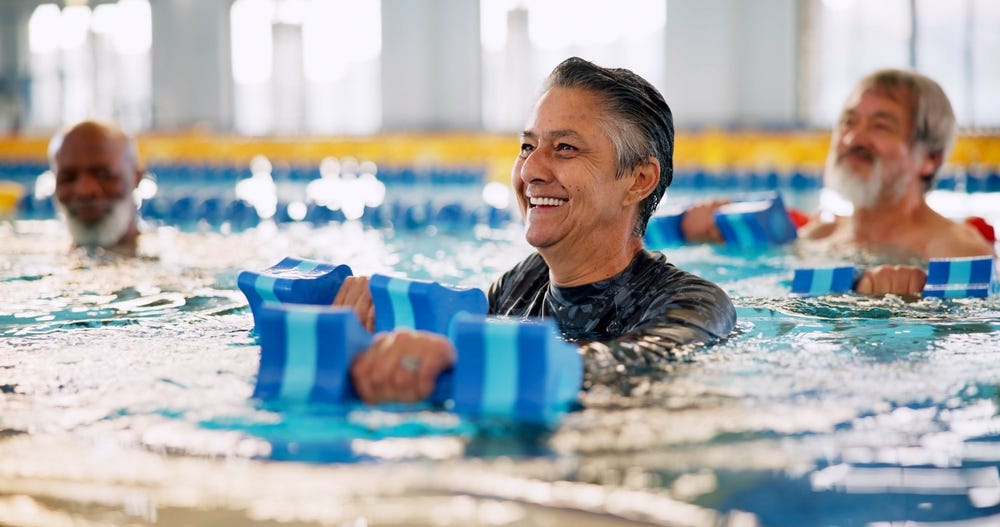
3. Functional Outcomes Have Replaced Aesthetic Goals
Emerging consensus across exercise oncology, active agers, and preventive medicine, shows that function predicts outcomes better than appearance.
These outcomes are now prioritized:
- Strength preservation
- Rate of force development (explosive, high velocity performance)
- Balance and fall resistance
- Gait efficiency
- Joint integrity
- Energy availability
This shift has moved exercise programming away from:
High-volume hypertrophy models
Programs built around excessive weekly sets, frequent training to failure, and redundant movement patterns - often exceeding the amount of volume required to stimulate strength or muscle retention, particularly in non-athletic or aging populations.
Repeated metabolic conditioning circuits
Workouts designed to maximize cardiovascular strain and fatigue through continuous, low-rest circuits, where metabolic stress becomes the primary goal rather than a byproduct of purposeful loading.
Undirected intensity and novelty-driven sessions
Frequent variation in exercises, tempos, and formats introduced for engagement rather than progression, making it difficult to assess adaptation, manage cumulative load, or establish meaningful performance benchmarks.
And toward:
Targeted mechanical loading
The intentional application of load to specific tissues and movement patterns to support strength, bone density, and neuromuscular efficiency, with progression based on tissue tolerance rather than maximal effort.
Deliberate incorporation of rest and recovery
Planned rest intervals within sessions and between training days, recognizing that adaptation occurs during recovery and that fatigue management is central to long-term progress.
Measurable functional outcomes
Programming that prioritizes observable improvements in strength, balance, mobility, gait, or task performance - outcomes that translate directly to daily function rather than relying solely on subjective markers like soreness or exhaustion.

What Precision-Dosed Training Looks Like in Practice
Precision-dosed training is not “easy” training.
It is strategic stress exposure that is designed to stimulate adaptation while staying within the body’s ability to recover.
Rather than asking how much work can be tolerated, this approach asks:
What is the smallest amount of stress that produces a meaningful improvement?
Key Characteristics
1. Minimal Effective Volume
The body adapts to exercise when a stimulus crosses a threshold, not when it is repeated excessively. Once that threshold is reached, additional volume often adds fatigue without additional benefit.
What this looks like:
- Fewer working sets performed with high focus and good technique
- Training sessions that feel purposeful rather than exhaustive
- Longer periods between increases in load or difficulty to allow tissues to adapt
Why is this important:
Reducing unnecessary volume lowers joint stress, limits inflammation, and preserves recovery capacity - especially important as people age or manage health conditions.
2. High-Value Movement Selection
Exercises are chosen based on how well they translate to real-world strength, balance, and mobility, not how trendy or entertaining they are.
Priority is given to movements that:
- Involve multiple joints working together (compound movements)
- Apply meaningful load to bones and muscles
- Challenge balance and coordination
- Support daily activities (ADL’s) like lifting, walking, reaching, and rising from the floor
Why is this important:
These movements deliver a stronger adaptation signal per repetition, making training more efficient and more relevant to everyday life.
3. Built-In Autoregulation (Without Technology Dependence)
Training decisions are adjusted based on how the body is responding, not based on a preset plan that ignores real-time feedback.
Progression is guided by:
- Movement quality and control (how well the movement is performed, not just completed)
- RPE (how demanding the effort feels on that day, even at familiar loads)
- Symptom response during and after sessions (pain, dizziness, excessive soreness, or unusual fatigue)
- Fatigue that carries into daily life (reduced energy, disrupted sleep, or delayed recovery)
- Observable recovery patterns across days and weeks
Why is this important:
A load that registers as a moderate effort (for example, a Rate of Perceived Exertion [RPE] of 6–7) one week may feel disproportionately difficult the next due to stress, poor sleep, illness, or hormonal shifts. When RPE rises without an increase in load, it signals reduced recovery capacity.
Perceived exertion is simply a way to describe how hard an activity feels to you while you’re doing it. Instead of relying on numbers like heart rate, speed, or weight, it asks you to tune into your breathing, muscle fatigue, and overall effort and rate that experience on a simple scale - usually from 1 (very easy) to 10 (maximal effort). Because your capacity changes from day to day based on sleep, stress, health, and recovery, perceived exertion helps adjust exercise intensity in real time, ensuring the workload matches what your body can handle in that moment rather than what a preset plan assumes.
Interpreting these changes requires human judgment - the ability to adjust volume, intensity, or rest without abandoning the training stimulus altogether, and without technology. This is not automated decision-making; it is skilled coaching, using subjective effort and objective observation to keep training effective rather than excessive.

Why This Approach Elevates Skilled Professionals
Precision-dosed training depends on interpretation, not automation.
It requires the ability to:
- Identify early signs that the body is not adapting well
- Distinguish normal muscle soreness from overload or injury risk
- Adjust training stress without causing strength loss
- Maintain progress while respecting vulnerability
This is especially important for people navigating:
- Cancer recovery
- Post-surgical rehabilitation
- Menopause or testosterone suppression
- Bone density loss
- Neuropathy or balance impairment
In 2026, the industry is shifting from flashy, unsustainable trends to evidence-based, results-driven programming.
Common Misinterpretations - Explained
“Lower training volume produces inferior results.”
This assumes adaptation is proportional to total work performed. In reality, adaptation is driven by whether a sufficient stimulus threshold is reached and supported by adequate recovery. Once that threshold is met, additional volume often increases fatigue without improving outcomes.
“This approach only applies to older or medically complex populations.”
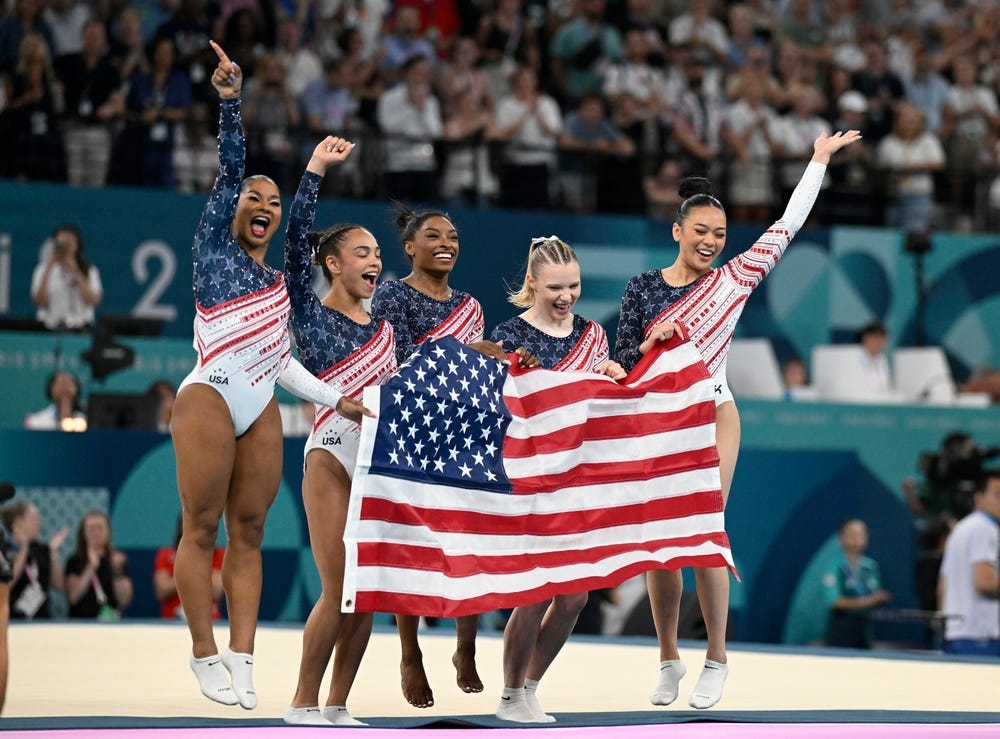
Precision dosing is frequently used in athletic settings to manage training load, reduce injury risk, and sustain performance over longer careers. The principles are not population-specific; they reflect universal constraints of human physiology. The same philosophy can be applied to NFL players, Olympic gymnasts, cancer patients, and the aging population.
“Training won’t feel demanding enough to be effective.”
When recovery is respected, individuals often experience training as more productive rather than less challenging. Effort is concentrated where it matters, resulting in improved energy availability, fewer setbacks, and greater consistency over time.
Research and clinical practice consistently show:
- Better strength maintenance with less joint irritation
- Higher long-term adherence
- Fewer recurring injuries
- Improved balance and coordination
- Greater tolerance during medical or hormonal transitions
Precision-dosed training is likely to endure because it is rooted in human physiology rather than novelty. As populations age and chronic conditions become more common, the limiting factor in exercise is no longer access to variety, but the ability to dose stress appropriately within recovery constraints. This shift reframes fitness away from maximal effort and visible exhaustion toward intentional loading, sufficient recovery, and measurable adaptation. In this model, success is defined not by how depleted someone feels after a session, but by how well their body responds over time, placing the greatest value on professionals who understand stress, recovery, and individual variability.